Transfer Switches 101 for OKC Homes: Manual vs Automatic (ATS) Explained
Summary:
- Understand what a transfer switch is, how it works, and why every backup power system in Oklahoma needs one.
- Compare manual switches and Automatic Transfer Switches (ATS) with clear pros, cons, and cost ranges.
- See how ATS units pair with Generac standby generators for seamless power during storms.
- Learn about Oklahoma City codes, permitting, and when to consider an electrical panel upgrade.
- Get an installation checklist, maintenance timeline, and signs it is time to replace your switch.
Introduction:
Oklahoma weather is unpredictable. Ice, severe wind, and severe storms can cause outages that last hours or days. A transfer switch is the heart of a safe and reliable backup power setup for your home or business. It keeps utility power and generator power isolated and makes switching power sources fast and safe.
Working with specialists in generator installation Oklahoma City ensures your system is matched to local outage patterns, load demands, and safety requirements. A qualified technician knows how ice, wind, and severe storms affect startup reliability and can design a setup that keeps essential circuits running without overload risk. This gives you stable, automatic power when the grid goes down.
Whether you plan to run a portable generator or a whole-home Generac standby system, choosing the right transfer switch is critical. You need the correct size, the right features, and an installation that meets Oklahoma City code. When you want a trusted local partner that is Generac certified and focused on safety, HotRod’s Electrical Services can design and install a system that fits your property and your budget.
Body:
transfer switch oklahoma city
Residents and business owners across the metro search for reliable backup power solutions. If you are comparing options for a transfer switch oklahoma city installation, this guide explains what to know before you buy, how to meet code, and how to avoid unsafe setups that risk backfeed.
1) What is a transfer switch and why it matters
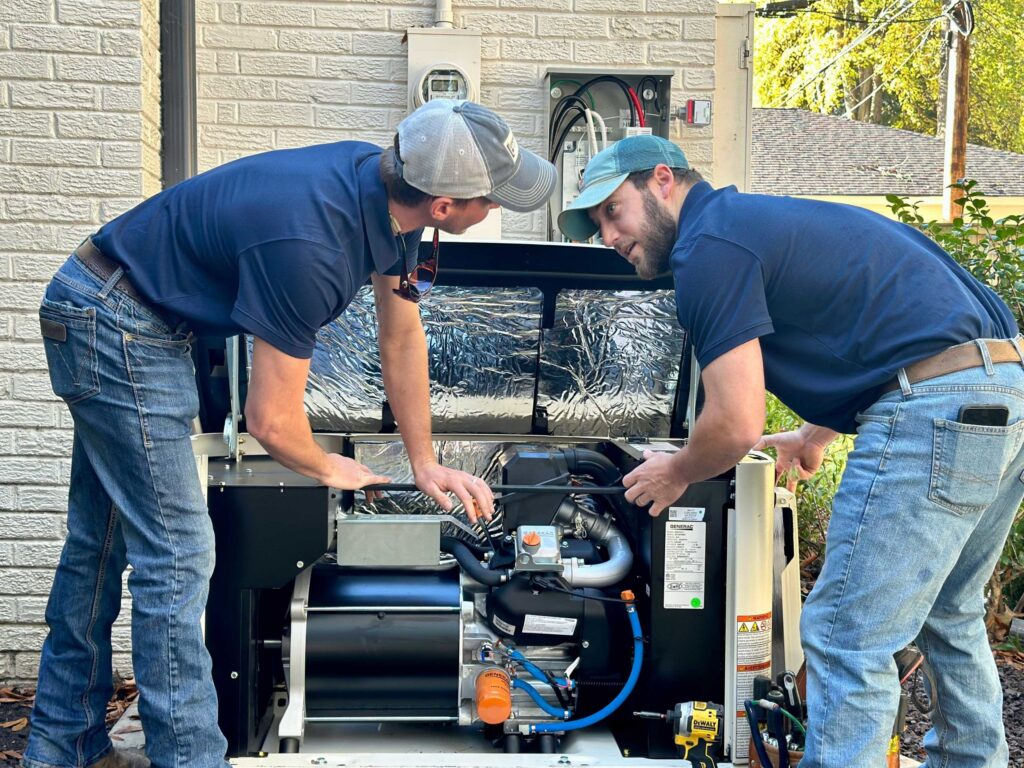
A transfer switch is a control device that selects the source feeding your electrical system. It switches your building from the utility to a generator and back. It prevents dangerous backfeed to the grid and protects your equipment.
Key reasons you need a transfer switch:
- Safety. It isolates the generator from utility lines and protects lineworkers.
- Code compliance. National Electrical Code Article 702 requires a transfer mechanism for optional standby systems.
- Convenience. It provides a simple, labeled method to energize selected circuits or your whole home.
- Protection. It reduces risk of overloading, voltage spikes, and damage to appliances.
2) Manual vs Automatic Transfer Switches (ATS): Key differences
Transfer switches fall into two main categories. Manual units require you to move a lever or turn a switch to change power sources. Automatic Transfer Switches monitor utility power and switch on their own.
| Feature | Manual Transfer Switch | Automatic Transfer Switch (ATS) |
|---|---|---|
| How it switches | User-operated lever or switch | Automatic sensing and switching |
| Typical use | Portable generator, selected circuits | Standby generator, whole home or business |
| Speed | Manual steps take minutes | Switches in seconds |
| Cost | Lower upfront | Higher upfront |
| Convenience | Requires you to be on-site | Works even when you are away |
| Load management | Limited or none | Advanced options. Shed and rotate loads |
| Best for | Budget setups and occasional outages | Homes and businesses that need seamless power |
3) How ATS systems work with standby generators
An ATS pairs with a standby generator to deliver hands-off reliability. Here is the sequence:
- Power loss detection. The ATS monitors utility voltage. When it senses a failure, it signals the generator to start.
- Generator start and warm-up. The generator starts and stabilizes voltage and frequency.
- Transfer to generator. The ATS opens the utility connection and closes the generator connection.
- Continuous monitoring. The ATS keeps monitoring utility power.
- Return to utility. When utility returns and stabilizes, the ATS switches back. The generator cools down and stops.
With an ATS, critical systems like HVAC, refrigeration, medical devices, servers, and security equipment continue to operate with minimal interruption.
4) Use cases for residential and commercial properties in Oklahoma
Residential
- All-electric homes. Keep HVAC, well pumps, refrigerators, and freezers operating.
- Homes with medical devices. Limit power interruptions to seconds with ATS.
- Remote or frequent travelers. Automatic operation protects pipes and perishables when you are away.
- Detached garages or shops. Feed selected circuits with a manual switch and a portable generator.
Commercial
- Restaurants and retail. Preserve inventory and POS systems.
- Small offices. Keep servers, VoIP, and HVAC running.
- Warehouses. Maintain lighting and access controls.
- Healthcare-related and critical services. Consider legally required standby or emergency systems with UL 1008 transfer equipment.
If you need help planning a compliant transfer switch oklahoma city installation, consider how many circuits you must keep alive, whether you need whole-home coverage, and your generator type.
5) Transfer switch compatibility with existing electrical panels
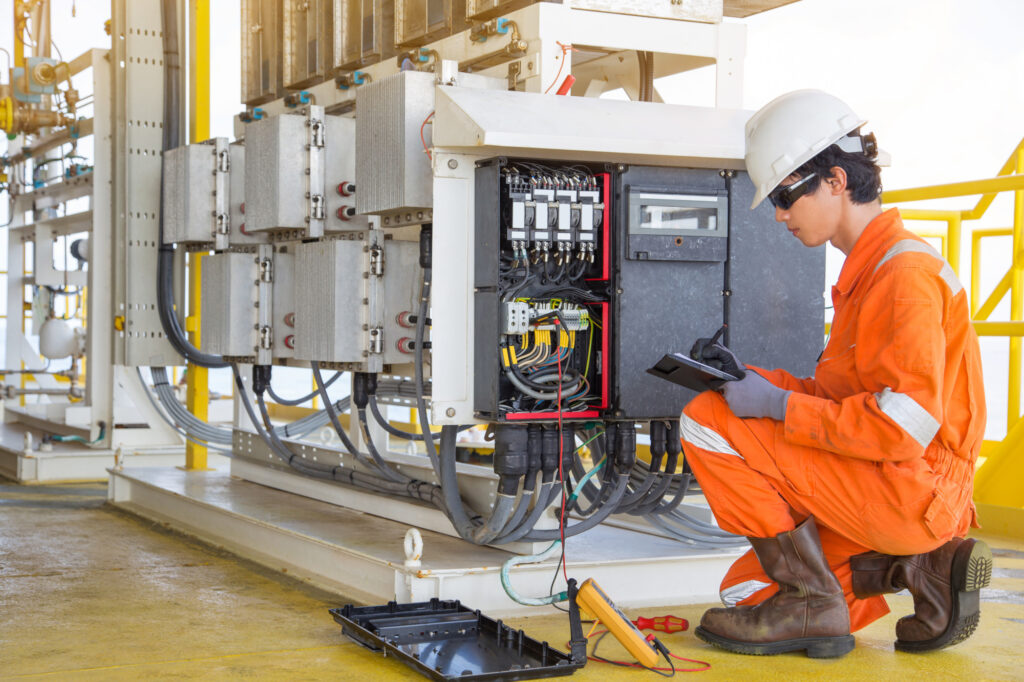
A transfer switch must be compatible with your service size, panel rating, and grounding system. Whole-home ATS units often require a service-rated ATS and may trigger panel changes. For older homes with limited capacity or mixed breakers, an upgrade can improve safety and reliability.
- Service rating. Whole-home ATS units that serve as the service disconnect must match or exceed service ampacity.
- Breaker types. Some panels have discontinued breakers. Replacement parts are costly. An upgrade can be the better long-term path.
- Grounding and bonding. Proper neutral-ground separation at subpanels and correct bonding at the service is critical.
- Space for subpanel kits. Manual transfer subpanels need adequate wall space and working clearance.
See options for an electrical panel upgrade in Oklahoma City if your existing panel is obsolete, undersized, or unsafe.
6) Safety and code compliance in Oklahoma installations
Oklahoma installations follow the National Electrical Code and local amendments. Oklahoma City requires permits, inspections, and in many cases utility coordination for service work.
- NEC Articles. 700 Emergency Systems, 701 Legally Required Standby, and 702 Optional Standby apply depending on use case.
- Listed equipment. Use UL 1008 listed transfer switches appropriate for the application.
- Backfeed prevention. The transfer equipment must mechanically and electrically prevent source interconnection.
- Neutral switching. Some generators require a switched neutral. Your installer must confirm whether a solid or switched neutral is correct.
- Load calculations. Perform feeder and service load calculations to size the switch correctly.
- Outdoor ratings. Use NEMA 3R or better enclosures for exterior installs.
- Labeling. Clearly label the transfer switch, standby circuits, and operating instructions.
- Permits and inspections. Expect plan review and inspection in Oklahoma City for ATS and service-related work.
Never backfeed through a dryer outlet or use a double-male cord. That is unsafe and violates code.
7) Transfer switch installation steps
Professional installation follows a clear process.
- Site visit and assessment. Confirm service size, panel type, grounding, and desired loads.
- Load planning. Identify critical circuits or decide on whole-home coverage.
- Equipment selection. Choose manual or ATS, service-rated as needed, amperage, enclosure rating, and accessories.
- Permitting. Submit permit to Oklahoma City and schedule any required utility coordination.
- Install. Mount the transfer switch or subpanel, reroute feeders, land conductors, and verify clearances.
- Generator integration. Run conduit and wiring to the generator, install control wiring, and program settings.
- Labeling. Label circuits, operating procedures, and emergency contacts.
- Testing. Simulate outage, verify transfer times, phase rotation if three-phase, and confirm return-to-utility sequence.
- Owner handoff. Explain operation, maintenance, and exercising schedule.
8) Cost breakdown: manual vs automatic options
| Item | Manual Transfer Switch | Automatic Transfer Switch (ATS) |
|---|---|---|
| Typical switch hardware | $300 to $900 for 6-10 circuit kits or interlock | $800 to $2,500+ depending on amperage and features |
| Service-rated whole-home gear | Rare for manual | $1,500 to $3,500+ common for 200A-400A |
| Labor | $400 to $1,200 depending on complexity | $1,000 to $3,000 depending on service work and programming |
| Permits and inspection | $75 to $300 | $150 to $500 |
| Typical total installed | $800 to $2,100+ | $2,000 to $6,500+ depending on amperage and site conditions |
Costs vary based on service size, wiring distances, wall repairs, trenching, and whether the project includes a new standby generator or panel upgrade.
9) Maintenance and lifespan expectations
Transfer switches are robust, but they require periodic checks.
- Monthly or quarterly exercise. For ATS with standby generators, exercise the generator and confirm transfer if part of your maintenance plan.
- Annual inspection. Check lugs, torque, contact wear, and moisture intrusion. Verify firmware updates if applicable.
- Environment. Keep outdoor enclosures clear of debris and vegetation. Protect from standing water.
- Lifespan. Quality manual switches often last 15 to 20 years. ATS units typically last 10 to 15 years, sometimes longer with clean power and proper environment.
- Signs of wear. Heat discoloration, pitted contacts, nuisance trips, or slow transfer times signal service needs.
10) Role of transfer switches in storm prep and long-term power planning
For Oklahoma’s storm season, a transfer switch is your foundation for continuity. Pairing an ATS with a correctly sized standby generator keeps critical loads running through ice storms, high winds, and grid instability.
- Fuel planning. Natural gas generators support long runtimes. Propane systems need tank sizing to cover expected outages.
- Load management. ATS load shed modules can drop non-essential loads to keep essentials running on smaller generators.
- Scalability. Plan for EV chargers, shop equipment, or future additions. Choose an ATS with capacity for growth.
- Service access. Keep clear working space for technicians and fast service.
If you are evaluating a new generator with your transfer switch, see local options for Generac generator installation in Oklahoma City.
11) How to choose the right transfer switch for your home or business
Use this checklist to pick the correct switch.
- Service size. Match 100A, 200A, 400A, or higher as needed. Whole-home ATS often equals service size.
- Generator type. Portable units often use manual switches. Standby units use ATS. Confirm neutral switching and grounding requirements for your generator model.
- Loads to support. Decide between circuit-selective manual subpanels and whole-home ATS. Consider HVAC, well pumps, sump pumps, refrigeration, internet, and medical equipment.
- Enclosure location. Indoor vs outdoor. Choose NEMA 3R or better for exterior.
- Listing and rating. Use UL 1008 transfer equipment. Confirm short-circuit current rating.
- Load management. For smaller generators, add load shed modules for HVAC or water heaters.
- Budget and convenience. Manual is cost-effective but requires on-site action. ATS is seamless and best for frequent outages or mission-critical needs.
Local buyers looking for best-fit solutions can compare a transfer switch oklahoma city quote for a manual kit versus a service-rated ATS with load management.
12) Signs it is time to replace or upgrade your switch
- Frequent nuisance tripping or failure to transfer.
- Visible corrosion, moisture damage, or heat discoloration.
- Cracked or brittle insulation on conductors entering the switch.
- Obsolete or discontinued model with no replacement parts.
- Generator upgrade that requires neutral switching or higher amperage.
- Service upgrade from 100A to 200A or more.
- New loads such as EV charging, shop equipment, or larger HVAC.
13) Why professional installation matters
When to call a licensed electrician
- Whole-home or service-rated ATS installations.
- Any work involving meter base, service conductors, or main disconnect.
- Neutral switching decisions and bonding evaluations.
- Permitting in Oklahoma City and utility coordination.
How to avoid unsafe or unpermitted work
- Do not backfeed through receptacles or use illegal cords.
- Use listed transfer equipment sized to your load and generator.
- Obtain a permit and schedule required inspections.
- Hire an electrician familiar with NEC Articles 700, 701, and 702.
Importance of Generac certification
- Factory training on ATS programming and generator controls.
- Access to correct parts, firmware, and technical support.
- Warranty compliance and documented startup procedures.
- Proper load management setup for multi-stage HVAC and large appliances.
FAQs
What size transfer switch do I need?
Match the switch to either your selected circuits or your service size. Whole-home systems often use a service-rated ATS that equals the main service amperage. Circuit-selective manual switches can be smaller but must match connected loads.
Do I need a switched neutral?
Some generators with bonded neutrals require a switched neutral to prevent parallel paths and nuisance GFCI trips. Your installer will review your generator manual and grounding system to select a solid or switched neutral ATS.
Can I use an interlock kit instead of a transfer switch?
Listed panel-specific interlock kits are allowed in many jurisdictions and are a budget-friendly manual option. They still require a proper generator inlet, breaker, and labeling. They are not suitable for every panel and do not provide automatic operation.
How long does installation take?
Manual switches often install in half a day to a full day. Service-rated ATS installations can take one to two days, plus utility coordination time if service conductors or meter bases are involved.
Will a transfer switch power my entire home?
Yes if it is a whole-home ATS paired with a generator sized for your service. Many homeowners choose load management to run essentials on a smaller generator.
Is a permit required in Oklahoma City?
Yes for most transfer switch installations, especially service-rated ATS work. Inspections verify safety, labeling, and code compliance.
Conclusion:
A well-chosen transfer switch protects people, equipment, and utility workers. Manual switches are cost-effective for occasional outages and portable generators. Automatic Transfer Switches deliver seamless power for homes and businesses that cannot afford downtime. Plan the right size, confirm compatibility with your panel, meet Oklahoma City code, and add load management if needed.
When you want a safe, code-compliant installation backed by Generac training and local experience, HotRod’s Electrical Services can assess your service, size your generator and ATS, pull permits, and complete a clean installation. Get a clear quote, scheduling timeline, and a maintenance plan that keeps your system ready for the next storm.
Ready to Install or Upgrade Your Transfer Switch?
